Today has been a day of thunder and lightning and downpours, and I have never been so happy to see rain. The country as a whole needs many months of rain, but Stourbridge in particular needs it after the devastating fires of only a couple of weeks ago.
Le Grande Mystérieux and the Case of the Spider People
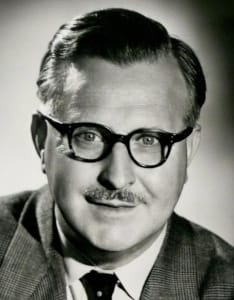
Speculation was rife about his possible identity. Some said he was a member of the Royal Family, others a respected surgeon, or an artist who had gone insane through breathing in the fumes of his paints.
The truth was, no one had a clue — not the public, the police, the newspapers, not even the clairvoyants and spiritualists so beloved of our editor, W.T. Stead.
Every Tuesday, paid supporters of Writing in the Shadows get an exclusive newsletter. This week I shared the first chapter in my new Le Grande Mystérieux series.
Supporters of Writing in the Shadows also receive free ebooks and discounts on paperbacks.
If you'd like to join the exclusive Tuesday Club and get instant access to the archives, sign up below.
£36.00 / year
Membership Yearly Discount
All posts and access to the archive.
Access to digital files of all new books plus discounts on physical copies.
Join... Read more
I visit schools and prisons in the UK, where I run creative writing workshops and talk about my writing career. As part of that talk I often tell the story of when I asked my parents for a typewriter for my eleventh birthday.
I grew up in a working class town in the North West of England in the late 1960s and early 1970s. Creative expression wasn’t exactly encouraged, or even tolerated, so growing up a devourer of books and comics, and writing my own stories and drawing my own comic books, singled me out as … well, let’s just say different.
My family was a family full of secrets, and you can read more about that here, and I certainly felt that there was a secret being kept from me about my origins as I was nothing like any of my immediate and extended family. As it turned out there was a secret, but it was nothing like the one I suspected.
By the time I was approaching my eleventh birthday I had been writing stories for a few years, and now I had decided that it was time to tackle a novel. But I was missing an essential piece of equipment that novelists owned, and that was a typewriter.
I will never forget the look of confusion and disappointment on my parents’ faces when I asked for that typewriter. It was as though an alien had dropped out of the sky and landed on their living room floor.
But, bless them, they bought me the typewriter and, of course, I found out that there’s more to writing a novel than simply typing it out, there is also the matter of hard work and persistence.
Fast forward fifty years and the world has changed in ways I never could have imagined. If only I could tell the eleven-year-old me that one day I would carry a computer around in my pocket, on which I could have video chats, watch movies, listen to music, and ask a machine called Claude anything at all and get an answer back within moments.
Everything happens at speed now. Here is David Salariya describing the changes in publishing houses that fifty years of technological advancement has wrought:
If you time-travelled to a 1970s publishing house, you’d likely find editors literally
cutting and pasting
– with scissors and glue! Manuscripts were typed on paper (often with carbon copies for backup). Editorial revisions involved marking up pages by hand and retyping final drafts. Correspondence with authors happened via letters or expensive phone calls. It was slow, but it worked. Today, that world has been utterly transformed by digital technology. Word processors and email began creeping in by the late 1980s; by the 2000s, the red pen had given way to Track Changes in Microsoft Word. Now editors and authors ping manuscripts back and forth via email or cloud services, sometimes with dozens of revision rounds. Turnaround times are faster – an editor can send feedback in a day rather than via snail mail over weeks.
Imagine typing up a novel on a typewriter using carbon paper to create a second copy, or finding a shop that had a photocopying machine to make copies, and then posting your precious manuscript to a publisher for consideration.
Writing and seeking publication was laborious and time-consuming.
No longer. In fact, rapid releasing of novels, especially in a series, is a strategy for success in the indie-publishing world, with authors capitalising on Amazon’s Kindle Unlimited algorithm by releasing a new book every 6-12 weeks, with some authors writing faster than that.
But the modern era of algorithm-driven book sales didn’t create the prolific author. John Creasey, who sold his first manuscript over 90 years ago in 1932, wrote more than 600 novels using 28 different pseudonyms. At his peak he was turning out two books a week! The critics didn’t much like him, but readers loved his novels, some of which were turned into films and TV series.
John Creasey used 28 pseudonyms because he knew the market couldn’t sustain more than two books a year from one author, and two books a year wasn’t going to pay the mortgage (or much else for that matter).
Today’s prolific authors on the other hand write fast under one author name to keep their brand alive, and to ‘tickle’ those pesky algorithms into keeping their books in front of readers.
Fifty years ago I was hesitantly pecking out words on a typewriter, with no belief that I could make my mark as a novelist, but driven to write anyway.
Fifty years, twenty-two novels and many short stories later, I’m still pecking out words, but on a computer.
Fifty years is a long time, especially in publishing, but some things never change.
You want to be successful as an author?
You need to write.
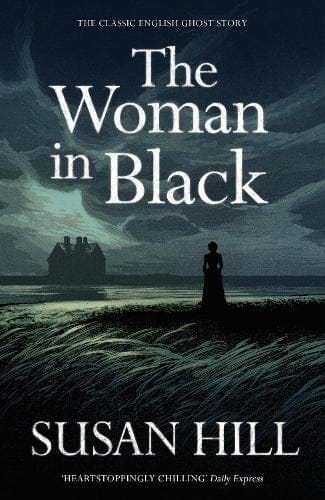
Currently Reading
Watching 365 Movies in 2026
Movies watched this week
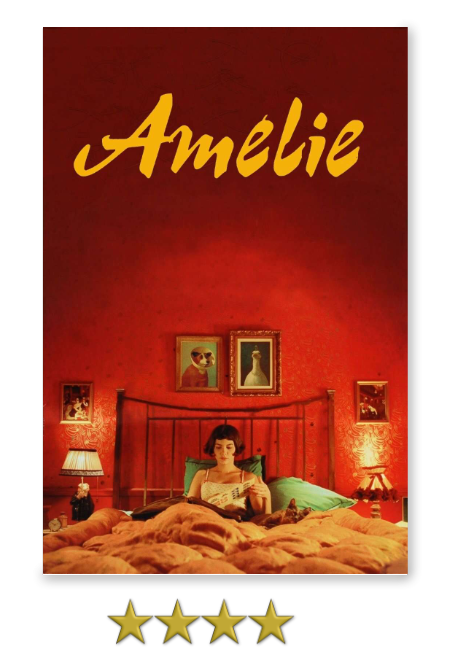
203. Very lovely and very French.
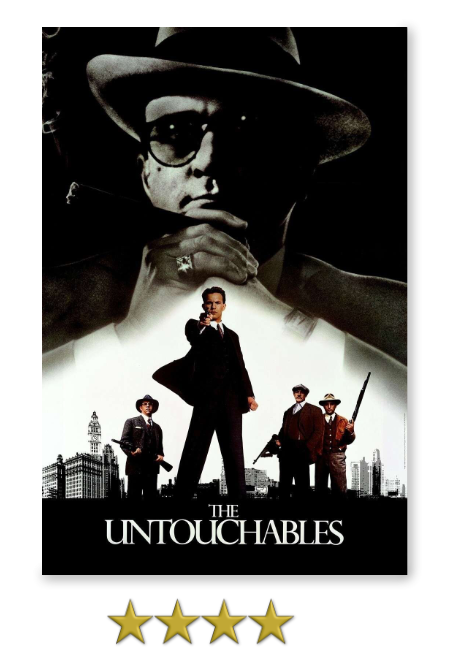
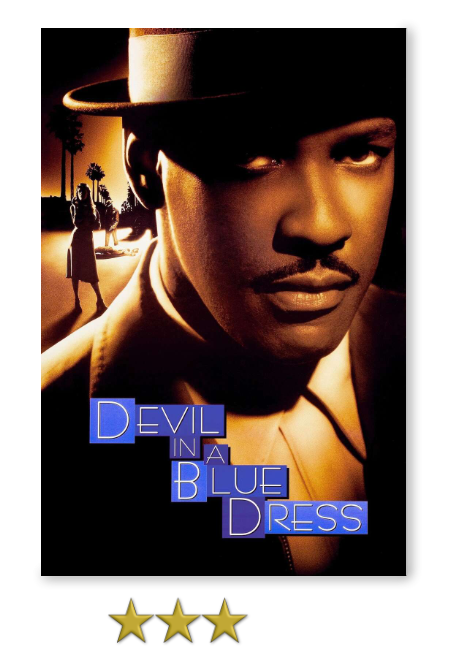
204. So cheesy but still great. And I will always love the train station scene with Andy Garcia and that runaway baby.
205. Bruce Spence is in this and the cars look great, but that’s all I have to say.
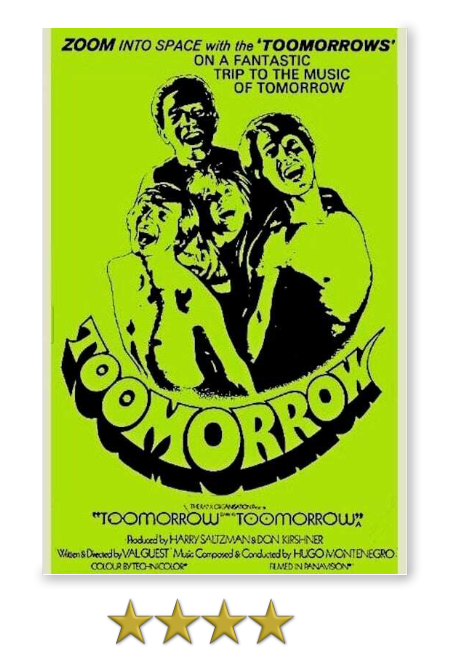
206. Sunny, sixties swinging romp involving aliens and Olivia Newton John.
207. It was okay.
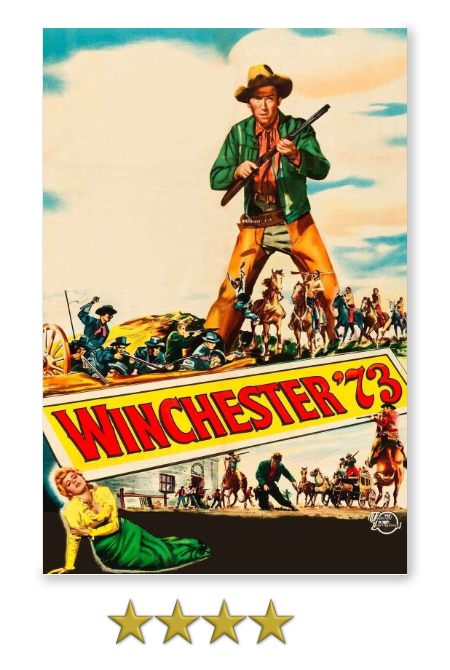
208. Jimmy Stewart and Dan Duryea are fantastic in this.
UPGRADE TO PAID TO GET ALL POSTS AND MORE
Writing in the Shadows is a reader supported publication.
Both free and paid subscriptions are available, but the best way of supporting my work is by taking out a paid subscription.