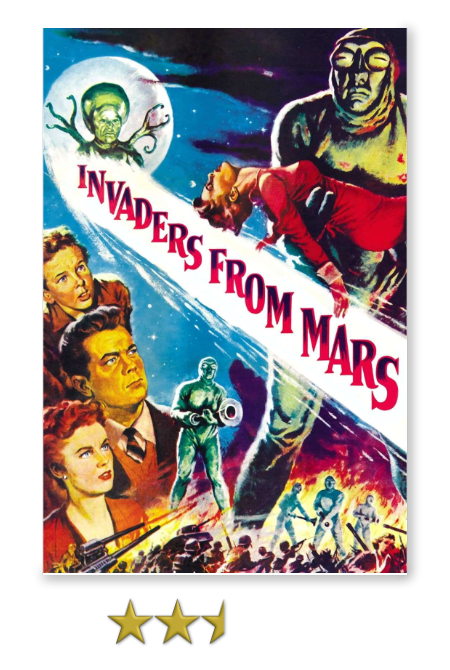
I have collected many books on writing, and I have even read some of them, but not one book on the craft of writing beats reading fiction. If you want to be a writer, you have to read.
Read what you love, read outside of your comfort zone, read the classics, read the bad books as well as the good ones, read widely and read often.
I honestly don’t think there is a better preparation for writing a novel than reading novels. When I was growing up I read everything from Black Beauty (which made me cry) to The Night of the Crabs (which also made me cry, but for very different reasons).
I’m not against reading books on the craft of writing, but sometimes learning can be an excuse for not doing.
Out of the creative writing books I have read, only a couple stand out.
And only one has had an actual impact on my writing life.
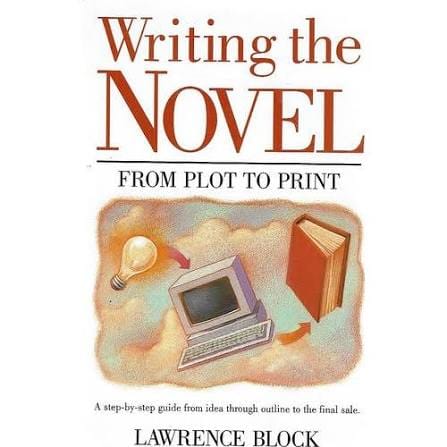
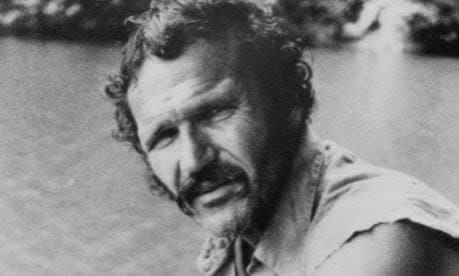
Lawrence Block’s Writing the Novel, From Plot to Print, was first published in 1979. In an early chapter, Block talks about analysing examples of the kind of book you want to write. The author Harry Crews took this to an extreme, and Block includes an excerpt from a New York Times Book Review interview with Crews done some years earlier.
I guess I really learned, seriously learned, how to write just after I got out of college when I pretty much literally ate Graham Greene’s The End of the Affair. …I pretty much reduced the thing to numbers. I found out how many characters were in it, how much time was in it …I found out how many cities were in the book, how many rooms, where the climaxes were, and how long it took Greene to get to them.
… And then I said, ‘I’m going to write me a damn novel and do everything he did.’ …So I wrote the novel, and it had to have this many rooms, this many transitions, etc. It was the bad novel I knew it would be. But by doing it I learned more about writing fiction and writing a novel and about the importance of time and place …than I had from any class or anything I’d done before. …And that’s how I learned to write.
I was so amazed by this quote I decided to copy what Crews had done. I took a favourite book of mine at the time, On the Beach, by Neville Shute, and took it apart, just like Crews did. And then I wrote my own novel, based on that template.
Yes, it wasn’t very good. But something incredible happened. I’m not sure how much I learned about the craft of writing, but I certainly learned that I could write.
So perhaps books on the creative act of writing are better at inspiring than they are at teaching. I suppose it depends which book you are reading, and maybe I will write a post on books for writers another day.
But what about the actual mechanics of prose?
How do you handle punctuation in relation to quotation marks? How do you write numbers in fiction, as a number or a word? Is it it’s or its? What’s the difference between passive voice and active voice?
Does any of this really matter?
Yes, it does matter. It matters if you are submitting your work to an agent or a publisher, and it matters if your work is going to be read.
Your work needs to be clean and to a standard.
And if you want to break the rules, fine — but you need to know and understand the rules first, and then know why you are breaking them.
Here is a fiction writing cheat sheet. Seventy-three rules for writing (and you can break them if you want to) with examples.